

In what appears to be a major shift in United States’ foreign policy thrust since President Donald Trump assumed office for a second tenure last February, the U.S government has approved $32.5 million in assistance to Nigeria to help the government in its current efforts aimed at frontally tackling hunger and ensuring food security in the country.
The U.S mission to Nigeria in a statement on Wednesday stated that the assistance, which is being channeled through the U.S. Agency for International Development (USAID), would provide food assistance and nutritional support to internally displaced persons (IDPs) in conflict-affected areas
Specifically, the U.S mission indicated that the funding would provide food and nutrition assistance to 764,205 beneficiaries across north-east and northwest of country, including “complementary nutrition top-ups for 41,569 pregnant and breastfeeding women and girls and 43,235 children through electronic food vouchers.”
Over the past few months, there had been reported attacks on communities in the northwest and north-central regions of the country, where farmers often clash over limited access to land and water. For instance, insurgents/bandits’ attacks on some communities in Benue State in June this year lead to over 150 people casualties.
- Advertisement -
According to data from the United Nations, insurgency in the northeast region of the country over the past years had resulted in the death of over 35,000 civilians and the displacement of more than 2 million others.
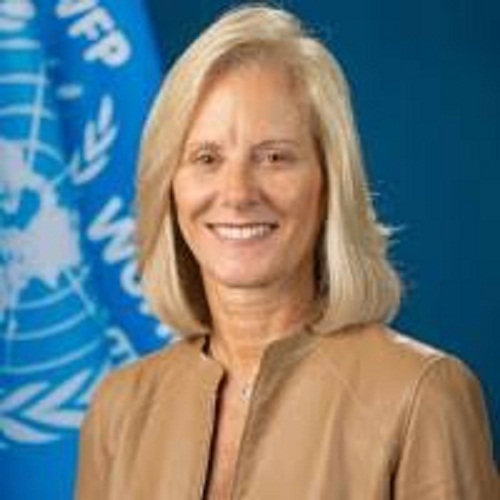
This is even as the World Food Programme’s Regional Director for West Africa, Margot van der Velden, , said in July that insecurity and funding cuts had pushed northern Nigeria into the grip of “an unprecedented hunger crisis” that could leave more than 1.3 million people without food and force the closure of 150 nutrition clinics in Borno state.
Velden’s comments were sequel to the suspension of the WFP food assistance across crisis-hit West and Central African countries as the U.S and other global aid donors cut their funding supports that were crippling the WFP’s operations in the region.