

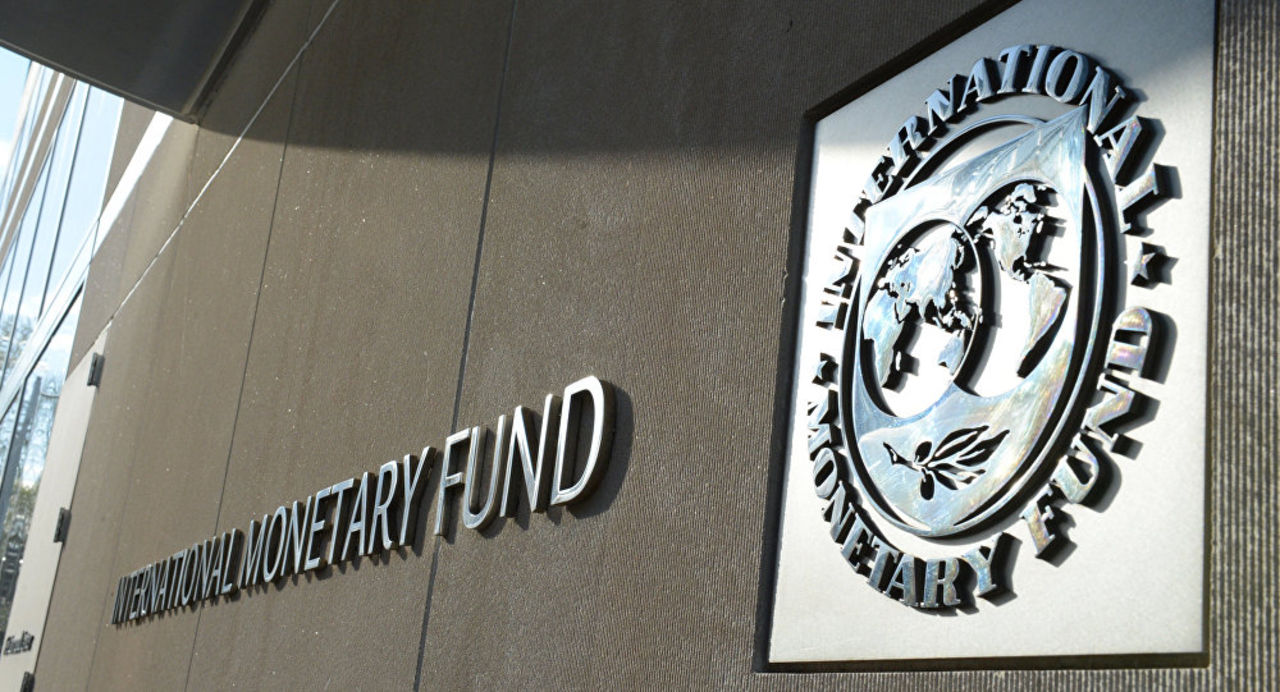
The International Monetary Fund (IMF) has advised the Federal Government of Nigeria (FGN) to introduce taxes on petroleum products and telecommunications services as part of its ongoing fiscal measures to boost government revenue and create fiscal space for development spending and social interventions.
The Fund gave the advice in its latest 2026 Article IV Consultation report on Nigeria, arguing that additional tax measures would be required over the medium term despite the recent overhaul of the country’s tax system to sustain the nation’s economic growth.
It stressed: “Further tax policy changes will likely be needed—such as increasing the VAT rate, extending VAT to fuel products, rationalising tax expenditures in particular VAT exemptions on extractive industries and some customs duties, and introducing telecom excises—to complement administrative gains.
“The timing of reforms must consider the poverty and food insecurity situation and ensure that the cash transfer system is in place and funded,” the IMF added.
- Advertisement -
Beyond new tax measures, the Fund projected that Nigeria could gain more through stronger tax administration, adding that administrative reforms could yield an additional 3.1 per cent of GDP through improved compliance, enforcement and efforts to reduce informality in the economy.
The IMF further highlighted in the report that fiscalisation, electronic invoicing and cross-validation of tax deductions measures could generate 1.5 per cent of GDP, while expanded tax identification registration and consolidation of taxpayer databases could contribute another 1.6 per cent of GDP.
It acknowledged that some of Nigeria’s recently enacted tax legislations would reduce government revenue in the short term because they were designed to support households and small businesses.
According to the Bretton Woods institution, the government’s revenue-reducing measures will lower revenues by 2.4 per cent of GDP, with expanded VAT input credits, additional zero-rated items and broader exemptions on basic consumption goods accounting for 1.7 percentage points.
Similarly, it projected that lower corporate income tax obligations for smaller firms would reduce revenues by 0.4 per cent of GDP, while lower personal income tax rates and expanded exemptions for low-income earners would account for another 0.3 percentage point reduction.
Overall, the IMF forecasted that the combined impact of revenue-enhancing measures, administrative reforms and revenue-reducing policies would result in a net increase in government revenue equivalent to 4.6 per cent of GDP over the medium term.