

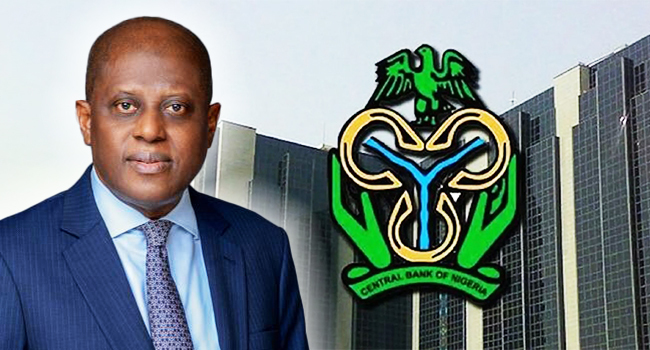
The World Bank has projected that Nigeria’s inflation rate will average 22.1% in 2025 if the Central Bank of Nigeria sustains its hawkish monetary policy stance designed to ensure price stability and moderating the inflation rate.
The Bretton Woods development finance institution made this projection on Monday in a statement published on the World Bank’s website, following the formal launch of the latest edition of the Nigeria Development Update (NDU) report in Abuja.
The report with the title “Building Momentum for Inclusive Growth” assesses recent economic trends and policy responses, and outlines priorities for sustaining reforms and promoting Nigeria’s inclusive growth.
The Bank noted that while Nigeria’s macroeconomic indicators had significantly improved, particularly GDP growth, revenue mobilisation, and fiscal consolidation, headline inflation remained a major challenge for the government to frontally tackle.
- Advertisement -
It stated: “The report further adds that inflation has remained high and sticky but is expected to fall to an annual average of 22.1 per cent in 2025, as a sustained tight stance firmly establishes monetary policy credibility and dampens inflationary expectations.”
According to the Washington D.C-based multilateral institution, the major drivers of elevated inflation in recent years include the removal of petrol subsidies, exchange rate unification, rising logistics and energy costs, and recurring food supply disruptions.
However, it noted that the CBN’s ongoing monetary tightening efforts were having positive impacts on the macroeconomic landscape, predicting that inflationary pressures expected to ease in the months ahead this year.
The latest NDU report also indicated that Nigeria’s macroeconomic position was steadily improving, with the economy growing by 4.6% year-on-year in Q4 2024 and the year-on-year growth to 3.4%, the strongest rate since 2014, excluding the post-COVID rebound.
The Bank also reported that Nigeria’s fiscal performance also remarkably improved, with the consolidated fiscal deficit narrowing from 5.4% of GDP in 2023 to 3.0% in 2024 while total government revenues rose from N16.8 trillion in 2023 to an estimated N31.9 trillion in 2024, representing about 11.5% of the nation’s Gross Domestic Product (GDP).
Commenting on the report’s findings, Acting World Bank Country Director for Nigeria, Taimur Samad, said: “Nigeria has made impressive strides to restore macroeconomic stability. With the improvement in the fiscal situation, Nigeria now has a historic opportunity to improve the quantity and quality of development spending; investing more in human capital, social protection, and infrastructure. The allocation of public resources can begin to shift away from the past unsustainable pattern, and rather towards meeting Nigeria’s large development needs, including the government playing its essential role of providing basic public services and serving as an enabler of private sector–led growth.”
The report further highlighted that in order for the economy to meet the government’s aspiration of achieving a US$1 trillion economy by 2030 and deliver poverty reduction and shared prosperity, the pace of growth needs to accelerate further and its composition rebalanced towards those economic sectors and firms that are most productive, generate positive spillovers, and create jobs and opportunities at scale, especially for the poor and economically insecure.