

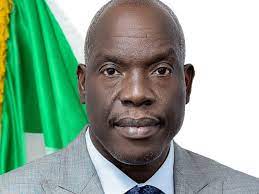
The Chief Executive of the Nigerian Upstream Petroleum Regulatory Commission (NUPRC), Engr. Gbenga Komolafe, has urged global investors to explore the opportunities in Nigeria’s hydrocarbon resources industry by partnering the Nigerian government in its sustained drive to boost the industry’s productivity.
The NUPRC’s boss, who gave the charge while speaking at the close of the 2025 Africa Energies Summit in London, described Nigeria as the most promising destination for energy investment returns, citing the various reforms by the government to strategically position in shaping the Africa’s energy future.
In his keynote address titled “Igniting Nigeria and Africa’s Energy Future: Evolving Landscapes, Challenges, and Transformative Opportunities”, the industry experts harped on Nigeria’s strategic position at the intersection of Africa’s energy needs and global investment flows.
Komolafe attributed the positioning to the country’s abundant hydrocarbon resources, a progressive regulatory environment, and a clear strategic vision focused on sustainability and energy security.
- Advertisement -
While reflecting on the impact of the 2024 edition of the summit as a watershed era that opened up fresh investment windows in Nigeria’s upstream oil and gas sector, the NUPRC’s chief noted that “it was more than just an announcement of opportunities—it was a reaffirmation of a shared vision to drive energy security as a foundation for economic growth and national resilience.”
He highlighted some of the ongoing and upcoming reforms aimed at boosting oil and gas exploration and production in Nigeria as including the Project One Million Barrels per Day (1MMBOPD), which has already raised Nigeria’s production from 1.46 million barrels per day in October 2024 to 1.78 million barrels per day.
According to him, the ultimate goal of the Nigerian government in these initiatives was to achieve three million barrels per day through sustained investment in exploration and frontier development.
Specifically, he listed some of the reforms initiated by the present administration as including the implementation of the Petroleum Industry Act (PIA), which has introduced globally competitive fiscal terms, streamlined regulations, and pragmatic entry barriers.
According to him, these reforms have already yielded tangible results, with Nigeria’s rig count jumping from 8 in 2021 to 36 currently, and projected to hit 50 before year-end.
He maintained that the Federal Government’s commitment to ease-of-doing-business had been demonstrated with the rollout of Presidential Executive Orders offering tax incentives, waivers, and regulatory streamlining to reduce operational delays and stimulate investment, especially in non-associated gas development and local content enhancement.
Komolafe, who stressed the importance of aligning investment with data-backed decisions, said Nigeria now hosted one of Africa’s most comprehensive seismic and well data repositories, the National Data Repository (NDR), developed in collaboration with global service providers, thereby de-risking exploration and enhances the country’s attractiveness to investors.
On natural gas reforms, which he described as the key to Africa’s energy transition, the industry expert identified some of the Nigerian government’s initiatives as the Decade of Gas, the Presidential Compressed Natural Gas (CNG) Initiative, and the Nigerian Gas Flare Commercialisation Programme (NGFCP), among others.
In furtherance of regional synergy, Komolafe said Nigeria remained at the forefront of the efforts to foster collaboration among African regulators through the African Petroleum Regulatory Forum (AFRIPERF).
He explained that the forum aimed to harmonize regulations, promote cross-border investments, and strengthen shared infrastructure, thereby creating a more resilient and competitive oil and gas sector across the continent.
He expatiated: “With abundant resources, business-friendly reforms, and a clear commitment to sustainability, Nigeria is not just Africa’s top oil and gas producer—it is the continent’s most compelling energy investment destination.”
Komolafe called on international stakeholders to join hands in shaping Africa’s energy future.




