

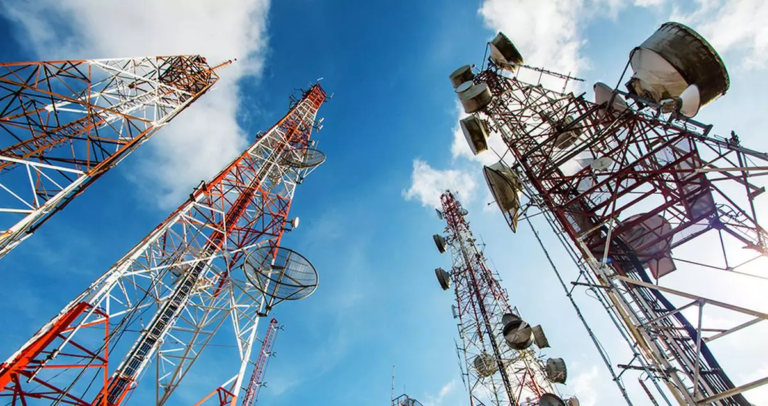
In furtherance of the regulatory measures by the Nigerian Communications Commission (NCC) to improve telecommunication services in the country, mobile network operators MNOs) in the country have deployed 8,526 of 12,179 committed coverage and capacity sites, despite the sustained cuts of their optic fibres and other infrastructure assets by road contractors nationwide.
The commission, in a statement signed on Sunday by its Director of Public Affairs, Nnenna Ukoha, indicated that the deployment represented about 70 per cent of the commitments made by operators and represented a significant increase from the approximately 5,000 sites reported at the previous meeting of the commission’s board.
The Director stated that the progress was confirmed during the regulatory commission’s 110th board meeting held on September 9.
She clarified: “The board further noted that 8,526 out of the 12,179 committed coverage and capacity sites have now been deployed across the country, representing approximately 70 per cent of the communicated commitments.
- Advertisement -
“This reflects accelerated progress from the approximately 5,000 sites reported at the last meeting”, Ukoha added.
“Despite this progress, the board noted that fibre cuts contributed to a sharp rise in network disruptions in June, underscoring the need for infrastructure expansion to be matched by stronger protection of critical communications infrastructure,” it stated.
According to the commission, fibre optic networks carry large volumes of telecommunications traffic and damage to the infrastructure can disrupt voice and data services across affected areas.
The commission has consistently been raising concerns over rising rate of fibre cuts primarily linked to road construction and excavation activities, noting that more than 5,000 fibre cuts are recorded in the first half of 2026.
At its previous board meeting, the commission reported that operators had deployed more than 5,000 of the over 12,000 sites committed for network expansion, putting implementation at more than 40 per cent.
According to Ukoha, the board at its just concluded meeting hinged its discussions primarily on network resilience, digital trust, inclusive connectivity, consumer protection, fair competition and the sustainable growth of Nigeria’s digital economy.