

…Links Rising Debt Stock To Transparency, FX Corrections
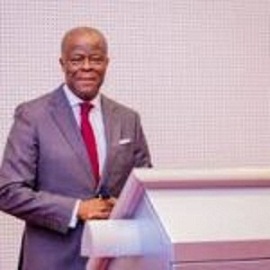
The Minister of Finance and Coordinating Minister of the Economy, Wale Edun, disclosed on Thursday that the Federal Government achieved about 85% capital expenditure performance in the 2024 fiscal year following the extension of the budget implementation to early 2025
The minister gave this hint in his address delivered at the 2026 Macroeconomic Outlook Conference organised by the Nigerian Economic Summit Group (NESG) in Lagos.
According to him, the extension of the year’s budget implementation helped the Federal Government to complete many ongoing capital projects with the attendant positive implications for the nation’s infrastructure assets base.
- Advertisement -
He clarified: “In terms of the capital budget. The budget, at the end of the day, is a law of the National Assembly. They extended the 2024 budget for the full year to ensure that projects were completed. In aggregate, capital expenditure in 2024 reached 85 per cent performance.”
Following the completion of many of the capital projects in 2025, Edun explained that capital expenditures in the 2025 fiscal year would be less than the preceding year’s disbursements as the government opted to focus on completing existing projects rather than initiating new ones.
He described the capital expenditure outcome as part of a broader fiscal effort anchored on discipline and transparency, stressing that Nigeria’s fiscal position did demonstrate resilience, and marked improvement, reflecting discipline, management and transparency-focused reforms.
This is even as the minister explained that Nigeria had reached a turning point after two years of difficult but necessary reforms, achieving macroeconomic stabilisation and is now entering a consolidation phase.
Edun explained: “Inflation has moderated, foreign exchange volatility has eased, reserves have strengthened, and investor confidence has improved. The emphasis now is on sustaining reforms and converting stability into growth and shared prosperity.
“Nigeria cannot afford to pause or retreat. Success in consolidation will determine whether stability becomes sustained growth and productive jobs”, he added.
On the rising debt profile of the government despite remarkable improvements in its revenue generations, particularly from the non-oil sector over the past two years, the minister clarified that the N152 trillion public debt figure was largely the result of transparency and exchange rate correction, not excessive new borrowing.
He explained that about N30 trillion of the debt stock represented previously unrecognised Ways and Means advances now formally recorded while nearly N49 trillion resulted from revaluation of foreign debt following FX reforms.
Stressing that sustained reforms were necessary to translate stability into long-term growth, Edun maintained that Nigeria’s debt-to-GDP ratio had declined to 36.1%, one of the lowest in Africa and well below the global average and that the country had moved from crisis management to a phase of stabilisation and consolidation
Edun said the 2026 budget tagged “Budget of Consolidation, Renewed Resilience, and Shared Prosperity” was aimed at converting fiscal stability into tangible benefits for Nigerians.
He said: “We cannot over-emphasise that it is not the metrics, it’s not the percentages. It is the experience and the improvement in the lives of everyday Nigerians.”
The minister reaffirmed the present administration’s commitment to sustained capital spending and economic reforms in order to ensure job creation and inclusive growth.